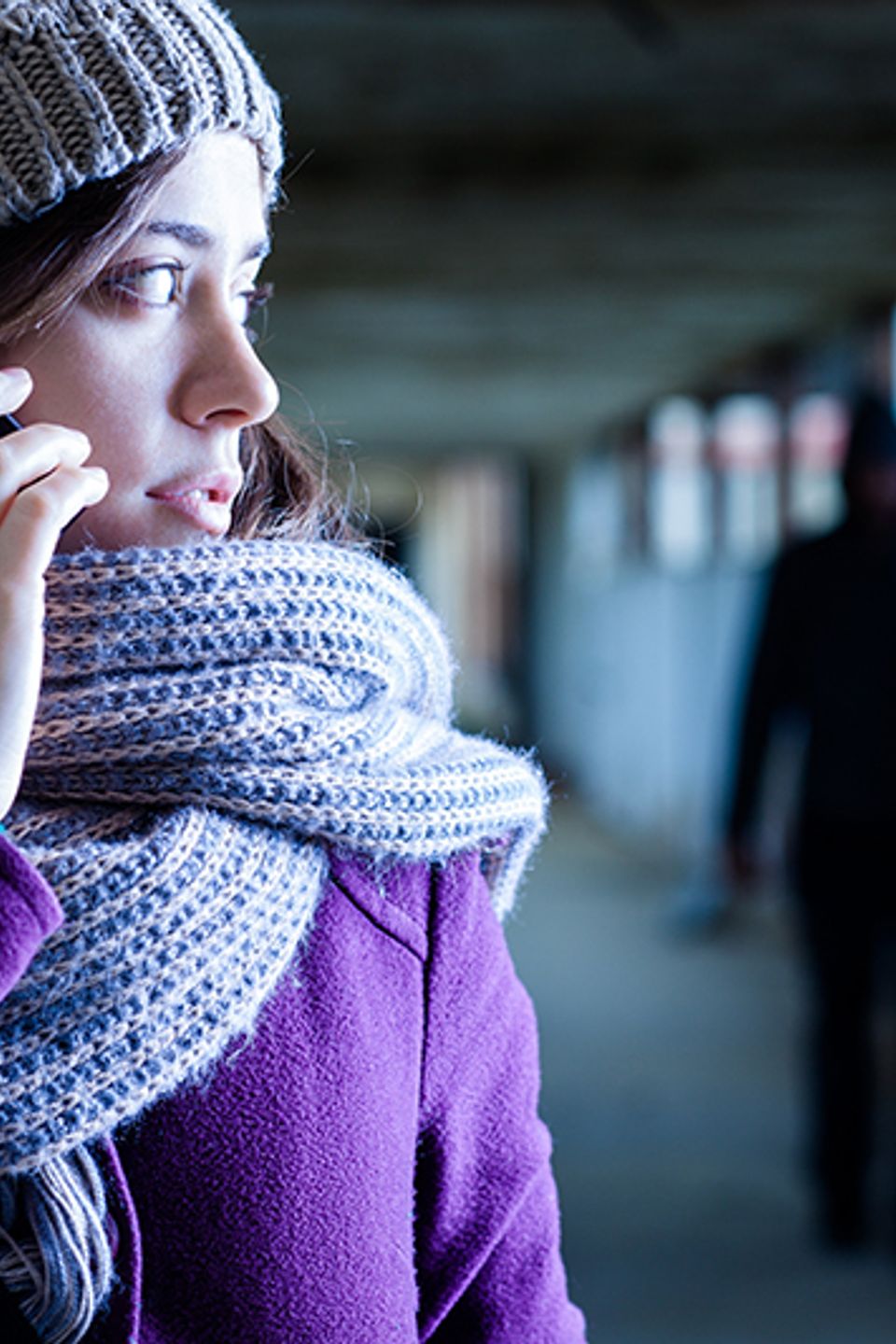
Learn about stalking behavior and how we can help.
Stalking is a pattern of unwanted behavior that involves repeated harassment or intrusive behavior. Stalking may cause fear, annoyance, or anger in the person who is being targeted and cause the person impacted to change their routine or behavior. Sometimes the targeted person may minimize the situation to themselves, though bystanders may see it as dangerous or concerning. Stalking can occur in and out of relationships, between acquaintances, or between complete strangers.
Examples of stalking behaviors
Information gathering on the target from their friends, the internet, colleagues, etc.
Repeated but unwelcome non-threatening mail, email, pages, and phone calls.
Notes or flowers left on the target’s car.
Observing/following and “coincidentally” showing up wherever the target goes.
Waiting outside class, work, home, or next to the target’s car.
False reports to authorities, spreading rumors, giving misinformation or secrets to friends, family, professors, or supervisors.
Disparaging messages or images on the internet or other public forums.
Vandalism or destruction of property, sabotage of schoolwork.
Threatening mail, email, notes, text messages, and/or phone calls (threats direct, implied, or symbolic).
Breaking into home, car, email, etc. and leaving evidence.
Each stalking behavior by itself may or may not be illegal. What matters is that there is a set of behaviors that can have an impact on the targeted individual. The person who is following, watching, or harassing may have various motives, but the impact is the most important aspect of assessing the situation.
Are you or a friend changing your life to avoid or contend with harassment, being followed, or unwanted emails? Regardless of how it happens, support and resources are available.
How can we help?
If you are concerned that someone is stalking you, you don't have to figure out what to do on your own. Response offers fee, confidential support to help you understand your options, think through safety concerns, and decide what feels right for you.
Our advocates can provide safety planning, advocacy, counseling support, emergency and transitional housing, and connections to other community resources.
When you meet or talk to a Response advocate, we can help you:
Understand stalking behaviors and assess your situation
Learn about your rights and reporting options, including how to contact law enforcement if you choose
Develop a personalized safety plan
Think through safety concerns at home, work, school, or other places you regularly go
Explore emergency or alternative housing when needed for safety
Document and keep track of stalking behaviors
Connect with medical care if you have injuries or health concerns
Identify additional community resources and support
Develop strategies for coping with the stress and disruption stalking can cause