Diane and Bruce Halle Foundation Center for Hope and Healing
A place of refuge, safety, and new beginnings for survivors of domestic and sexual abuse.
A Safe Place to Begin Again
Home should be a place of safety. For survivors of domestic and sexual abuse, home can instead be a place of fear and harm. When survivors leave abusive situations, many face immediate homelessness, instability, and impossible choices between safety and survival.
The Diane and Bruce Halle Foundation Center for Hope and Healing exists so survivors don't have to choose between safety and a place to live. The Center provides a secure, welcoming environment where survivors and their children can find safety, support, and space to plan the next chapter of their lives.
Why the Center Matters
Access to safe housing is one of the greatest barriers facing survivors in the Roaring Fork Valley. Domestic violence is a leading cause of homelessness for women and children nationwide, and fear of losing housing is one of the primary reasons survivors stay with abusive partners.
Response has long provided emergency shelter through short-term hotel stays and a limited number of transitional housing units. Due to the valley’s housing shortage and rising costs, demand has consistently exceeded capacity, forcing some survivors to remain in unsafe situations while waiting for housing to become available. The Center was created to meet this urgent need.
Designed for Safety & Dignity
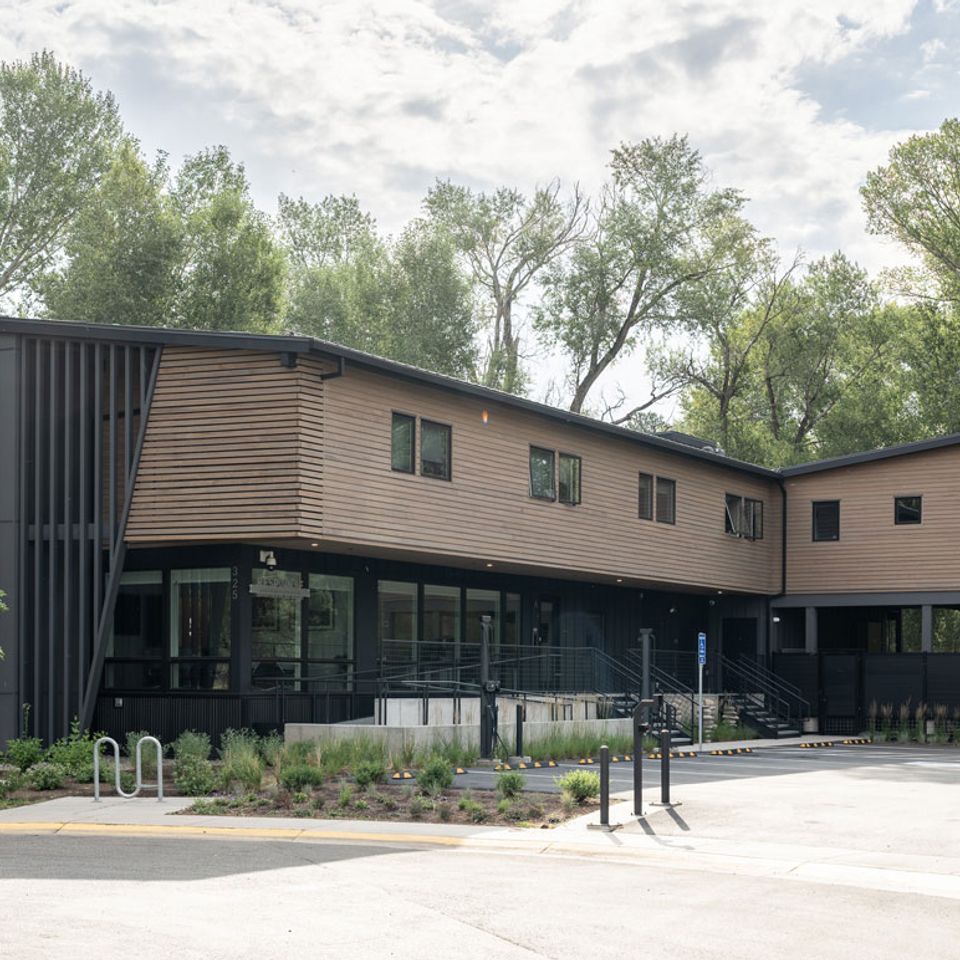
The Halle Center for Hope and Healing follows a public-facing shelter model, now widely adopted by domestic violence agencies nationwide. This approach increases safety and decreases stigma by integrating the shelter into the community rather than relying on secrecy alone.
Key safety features include:
Controlled, key-coded building access
Video surveillance
Reinforced doors and windows
Panic buttons connected directly to law enforcement
Familiarity for first responders through regular patrols
Combining shelter and advocacy services in one location also allows survivors to access support more easily while increasing staff oversight and coordination of care.
What the Center Provides
Shelter Space
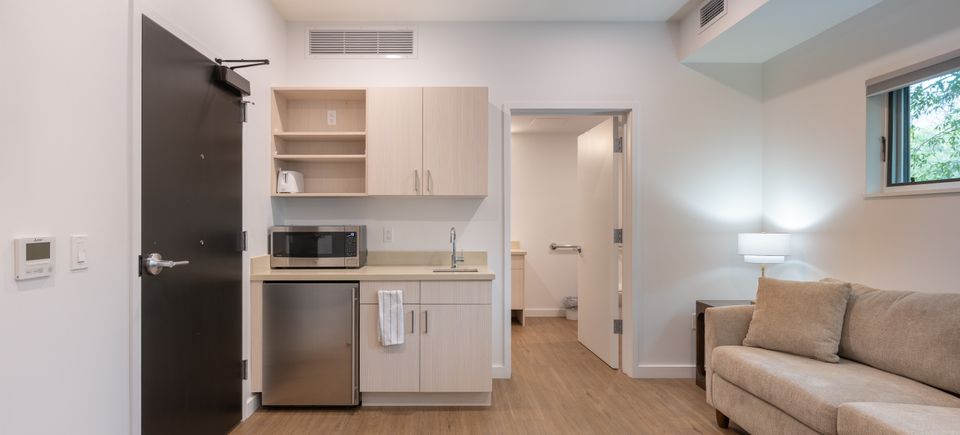
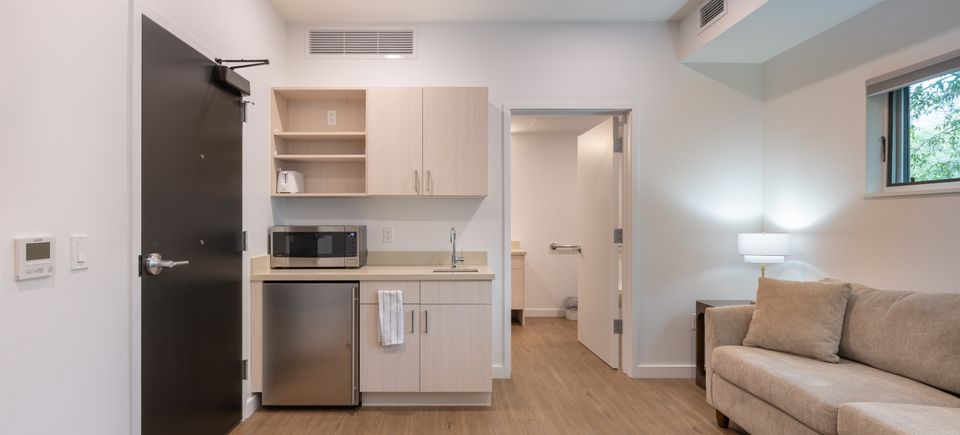
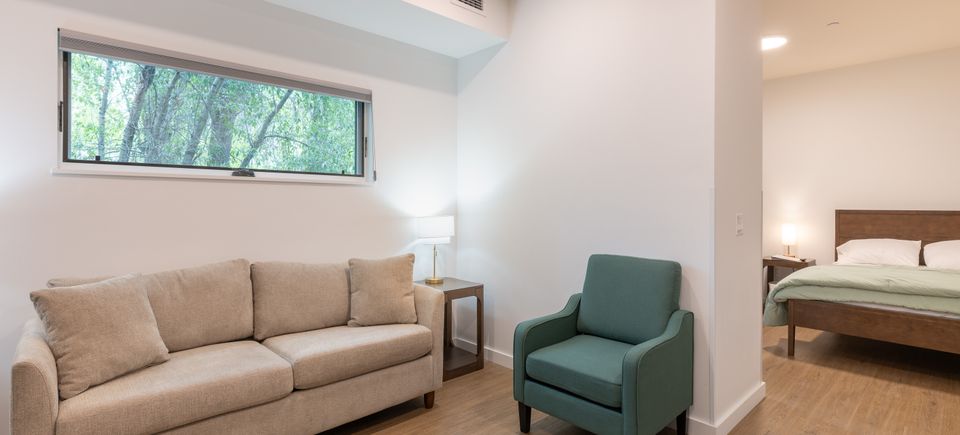
7 private efficiency units, each with its own bathroom and kitchenette (5 family rooms, 2 single-adult rooms)
Capacity for up to 9 adults and 15 children at one time
ADA-accessible rooms
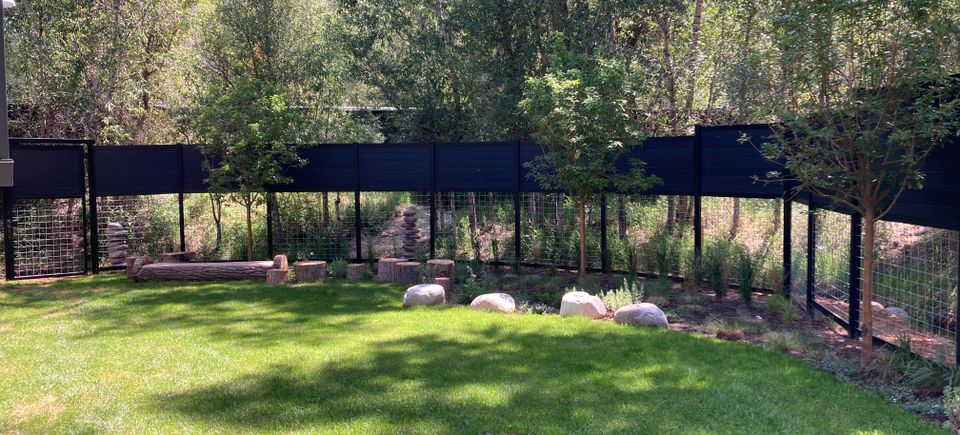
Secure outdoor play area
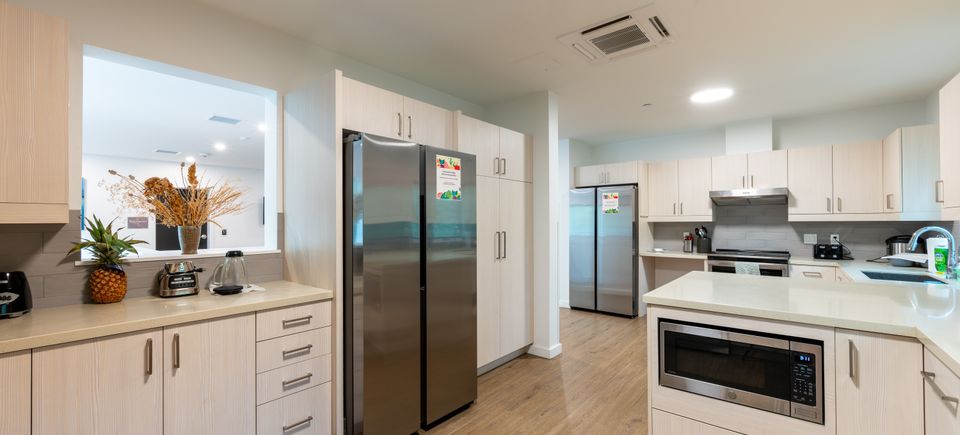
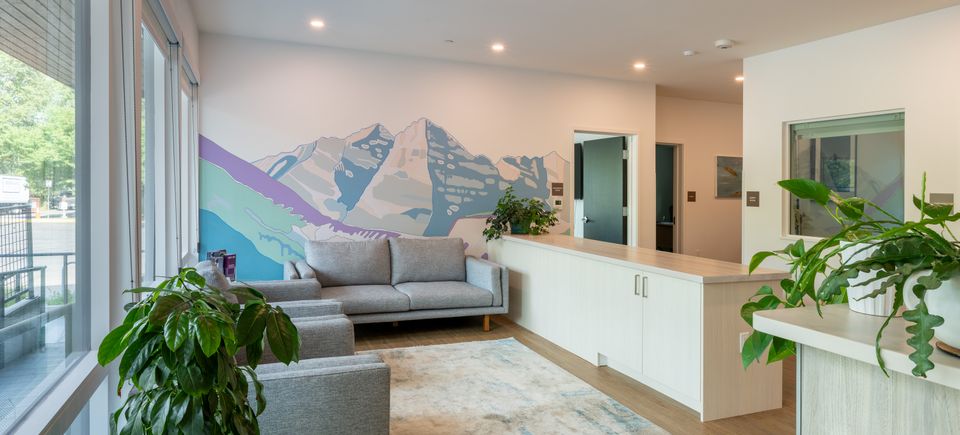
Communal kitchen and living space
Your safety matters, and so does the safety of your pets. We are proud to offer pet-friendly shelter services for survivors of domestic and sexual abuse. We know that concern for a pet’s safety can prevent individuals and families from seeking help. Our goal is to provide a safe, supportive environment for both survivors and their companion animals.
Advocacy & Support Services
On-site victim advocacy and crisis intervention
Private meeting rooms available for all Response clients
Food and clothing pantry
Access to counseling, safety planning, and referrals to other agencies that can assist survivors
Integrated support for survivors navigating legal, medical, and housing systems
The Center is designed to serve 40–50 sheltered survivors per year and provide advocacy and crisis support to more than 300 individuals annually.
A Community-Wide Impact The Center strengthens not only individual survivors but the entire Roaring Fork Valley. By increasing visibility, access, and safety, the Center helps:
Reduce barriers to leaving abusive relationships
De-stigmatize domestic abuse
Encourage survivors to seek help earlier
Create a stronger, community-wide safety net
As local law enforcement leaders and community partners have affirmed, the Center enhances safety through both design and presence, ensuring that survivors and their children are supported every step of the way.
Your Safe Space Starts Here
We believe healing begins in an environment that feels like home. Explore the modern, light-filled spaces where our residents find rest and community.
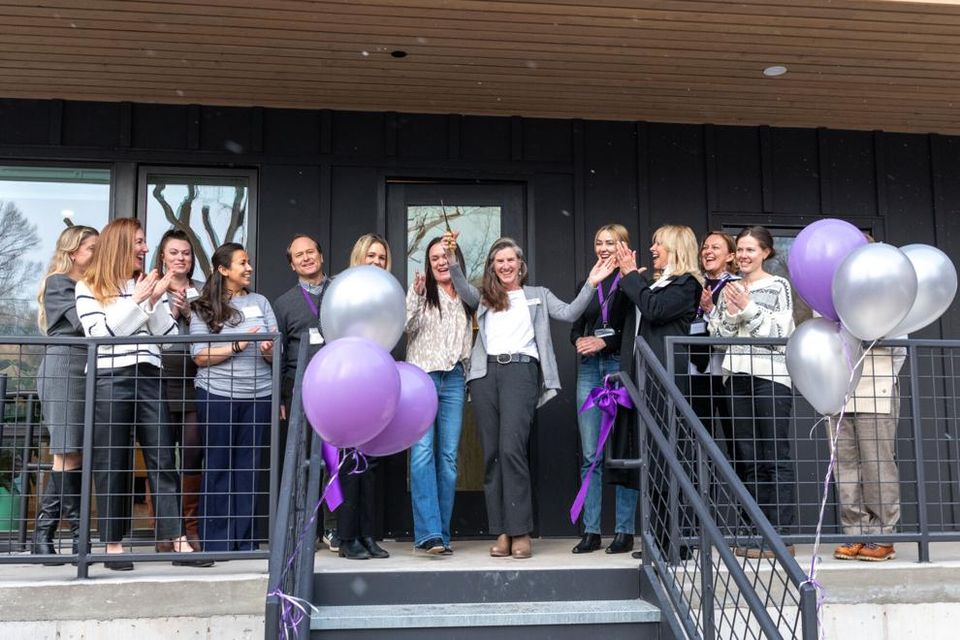
The Diane and Bruce Halle Center for Hope and Healing was built through community commitment and generosity. Ongoing support ensures that survivors continue to have access to safe shelter, advocacy, and the opportunity to rebuild their lives with dignity and hope.
Your support helps keep the doors open for survivors who need it most.